
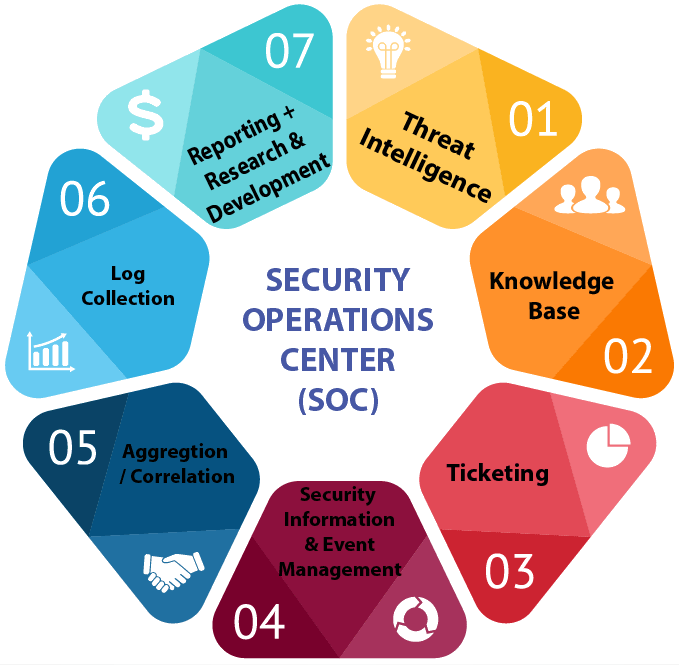
The global market for Security Operations Center (SOC) services and technologies is experiencing a period of intense and sustained expansion, a trend directly fueled by the escalating and undeniable reality of the modern cyber threat landscape. A primary and ever-present catalyst behind the robust Security Operations Center (SOC) Market Growth is the dramatic increase in the volume, sophistication, and impact of cyberattacks. The days of simple, opportunistic viruses are long gone. Today's adversaries are highly skilled, well-funded, and persistent. Organized cybercriminal groups are deploying devastating ransomware attacks that can cripple an entire enterprise, while state-sponsored actors are conducting sophisticated espionage and sabotage campaigns. The sheer number of alerts and the complexity of these "advanced persistent threats" (APTs) have overwhelmed traditional, part-time security management approaches. The recognition that cybersecurity is a 24/7/365 battle that requires a dedicated, full-time team of expert "threat hunters" is the single most powerful driver for the establishment and outsourcing of SOCs. The massive financial and reputational cost of a successful breach provides a clear and compelling ROI for investing in a dedicated threat detection and response function.
A second major driver is the immense complexity of the modern IT environment and the resulting "visibility gap." The dissolution of the traditional network perimeter, driven by the adoption of cloud computing, remote work, and the proliferation of IoT devices, has dramatically expanded the attack surface that security teams must defend. Data and users are no longer contained within a secure corporate network; they are distributed everywhere. This creates a massive visibility challenge. A SOC, powered by modern security technologies like SIEM, EDR, and NDR, is designed to solve this problem. It provides a centralized "pane of glass," a single place where security analysts can collect, correlate, and analyze security data from across this entire, disparate environment—from the on-premises data center to the public cloud and the remote employee's laptop. This ability to provide holistic visibility and to detect threats across a complex, hybrid IT landscape is a critical capability that is driving the demand for modern SOC platforms and services.
The third powerful driver is the severe and persistent global shortage of skilled cybersecurity professionals. The demand for experienced security analysts, incident responders, and threat hunters far outstrips the available supply. It is incredibly difficult and expensive for most organizations, particularly small and medium-sized businesses (SMBs), to hire and retain the team of experts needed to run an effective, 24/7 SOC in-house. This massive skills gap is the primary driver for the explosive growth of the Managed SOC or Managed Detection and Response (MDR) market. In this model, an organization outsources its security monitoring and response functions to a third-party provider. The MDR provider supplies the technology platform and, more importantly, their team of elite security experts who act as the client's virtual SOC, providing around-the-clock threat hunting and incident response. This model allows a company to gain access to a world-class security operations capability for a predictable monthly fee, without the immense cost and challenge of building it themselves, dramatically expanding the addressable market for SOC services.
Finally, the market's growth is being fueled by an increasingly stringent regulatory and compliance landscape. Governments and industry bodies around the world are implementing stricter regulations that mandate organizations to have robust capabilities for detecting and responding to security incidents. Regulations like the EU's Network and Information Security (NIS) Directive for critical infrastructure, and industry standards like PCI DSS for payment card data, require organizations to have continuous security monitoring and a formal incident response plan. In the event of a data breach, regulations like GDPR require organizations to report the incident to authorities within a very short timeframe (e.g., 72 hours). Having a SOC is essential for meeting these requirements. It provides the monitoring capabilities to detect a breach in the first place and the incident response capabilities to investigate it and report on it in a timely manner. This compliance pressure has transformed the SOC from a security "best practice" into a legal and regulatory necessity for many organizations.
Top Trending Reports:

 English
 Arabic
 French
 Spanish
 Deutsch
 Turkish
 Dutch
Dutch
 Italiano
 Russian
 Romaian
 Portuguese (Brazil)
 Tiếng Việt