
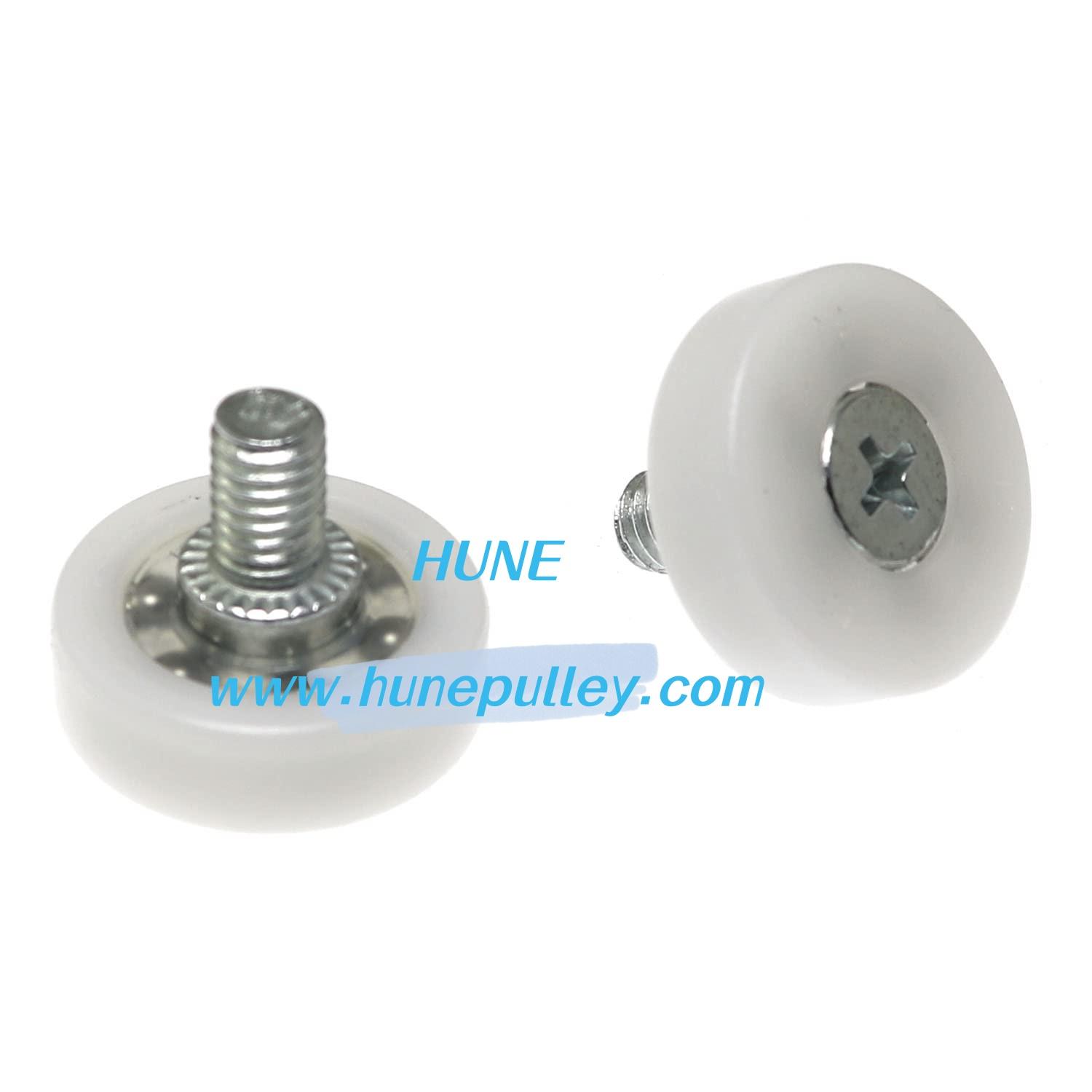
In motion systems where stability matters, Hune Plastic PU 6000Z Bearing Pulley often becomes a quiet helper rather than a visible hero. This component supports controlled travel by guiding movement without harsh contact, helping equipment feel calm instead of tense during operation. Engineers value solutions that reduce vibration without drawing attention, and this structure answers that expectation naturally.
Unlike metal alternatives, plastic combined with polyurethane brings a softer interaction surface. That surface absorbs minor shocks created during direction change, easing stress between connected parts. Motion therefore feels consistent rather than abrupt, even when direction shifts happen frequently. For applications involving repeated cycles, this behavior supports reliable flow without forcing constant adjustment.
Designers often focus on smoothness from three angles.
• contact behavior
• alignment stability
• response during load change
This pulley design addresses each angle without relying on complex assembly. The outer surface allows belts or tracks to glide instead of scrape. Internal rotation stays predictable, supporting balance throughout each pass. As loads vary, motion remains even rather than jerky, which improves overall system feel.
Another overlooked advantage comes from noise perception. Smooth motion is not only visual or mechanical, but also audible. Plastic material paired with PU coating helps limit sharp sound during travel. Operators working nearby experience calmer surroundings, while end users associate that quiet behavior with quality control rather than effort.
Installation flexibility also plays a role. Designers often need components that adapt easily to different layouts. This pulley integrates without forcing redesign. Whether used in guiding paths, return routes, or tension control, it supports smooth movement while respecting existing structure.
From a long-term perspective, consistency matters more than raw strength. Systems fail less often when parts cooperate rather than resist each other. By encouraging steady travel, internal wear remains balanced. That balance reduces the need for frequent intervention, allowing systems to focus on performance instead of correction.
Practical users often describe smoothness as a feeling rather than a measurement. When motion flows without hesitation, confidence increases. Operators trust equipment behavior, and designers trust the structure behind it. That trust grows from components that work quietly in the background.
As motion paths become more refined, choosing components that support calm travel becomes essential. Thoughtful material pairing, predictable rotation, and gentle surface contact combine to support that goal naturally. For readers exploring component options, additional reference material is available at Hunepulley where motion solutions are presented in a straightforward manner.

 Arabic
 French
 Spanish
 Portuguese
 Deutsch
 Turkish
 Dutch
Dutch
 Italiano
 Russian
 Romaian
 Portuguese (Brazil)
 Tiếng Việt